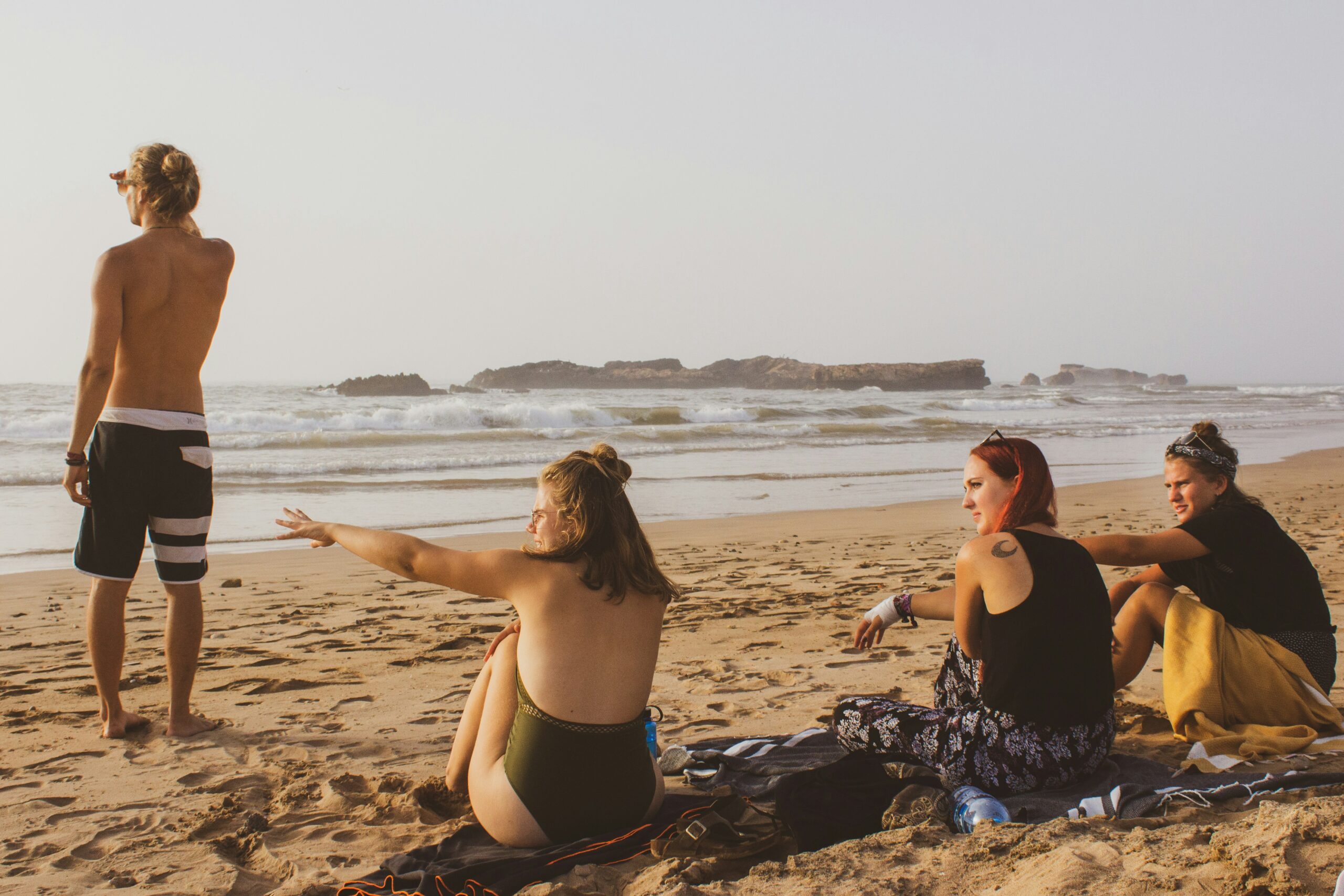
As the sun blazes across Victoria (some days anyway), residents and visitors are being alerted to the surge in Buruli ulcer cases, a bacterial infection transmitted by mosquitoes.
The Acting Minister for Health, Ingrid Stitt, is urging awareness, encouraging Victorians, especially those in coastal areas, to be aware of the risks and take preventive measures against mosquito bites.
Stay up to date with what’s happening in and around the region here.
New data has revealed a significant uptick in Buruli ulcer cases, with 363 reported in 2023—the highest since the infection’s emergence in the state in 2004. While most cases are of low severity, health authorities emphasize the importance of precautions, particularly in the warmer weather conducive to mosquito breeding.
Buruli ulcer, linked to mosquito bites, can lead to substantial skin damage. Early detection is crucial, and the infection is treatable with antibiotics.
Symptoms include insect bite-like spots, ulcers, painful lumps, limb swelling, skin redness, and, in severe cases, intense pain and fever.
The Allan Labor Government is urging the public to adopt simple steps to reduce the risk of contracting Buruli ulcer:
Buruli ulcer, caused by Mycobacterium ulcerans, is a skin disease leading to skin loss and ulceration due to bacterial toxins. The bacteria are found in the environment, possibly transmitted by mosquitoes and possums in Victoria. The disease is spreading across the region, with 200 to 340 cases annually since 2017.
Although not transmitted person-to-person, household members of patients are advised to monitor for non-healing skin lesions and seek medical assessment if exposed to the same environmental source. The exact mode of human infection remains unknown.
The Labor Government has allocated $1.1 million to the Beating Buruli project, aimed at better understanding transmission and identifying effective prevention methods.
Acting Minister for Health Ingrid Stitt stressed the importance of precaution, stating, “With cases of the Buruli ulcer on the rise, Victorians should understand the risks and take precautions—particularly those living or visiting coastal towns this summer.”
As summer temperatures soar, the message is clear: stay bite-free, stay safe.
For more information, visit the Better Health Channel here.

The current most read stories on Forte



13 May 2026
The shortest day of the year heralds a tradition of theatre and community as Theatre 3triple2 presents Winter Solstice –…

22 April 2026
Angelsea’s beloved live music champions, The Sound Doctor, are stepping up with their first all ages show, co-presented with Amplify…
9 April 2026
‘Dream Catch Me’ captured a generation of hopefuls back in 2008, leading to the name Newton Faulkner becoming known. Since…

25 March 2026
For three electrifying days this April, the streets of Benalla will pulse with colour, creativity and culture. From 17–19 April…
13 March 2026
For over a decade, Northlane have been synonymous with fearless evolution in Australian heavy music. Three-time ARIA winners and internationally…

6 March 2026
Just when you thought the calendar couldn’t get any more packed, Barwon Club has outdone themselves with the back to…

4 March 2026
M. Ward’s music is a world unto itself — one where haunting vocals, intricate guitar work, and evocative storytelling collide…
7 January 2026
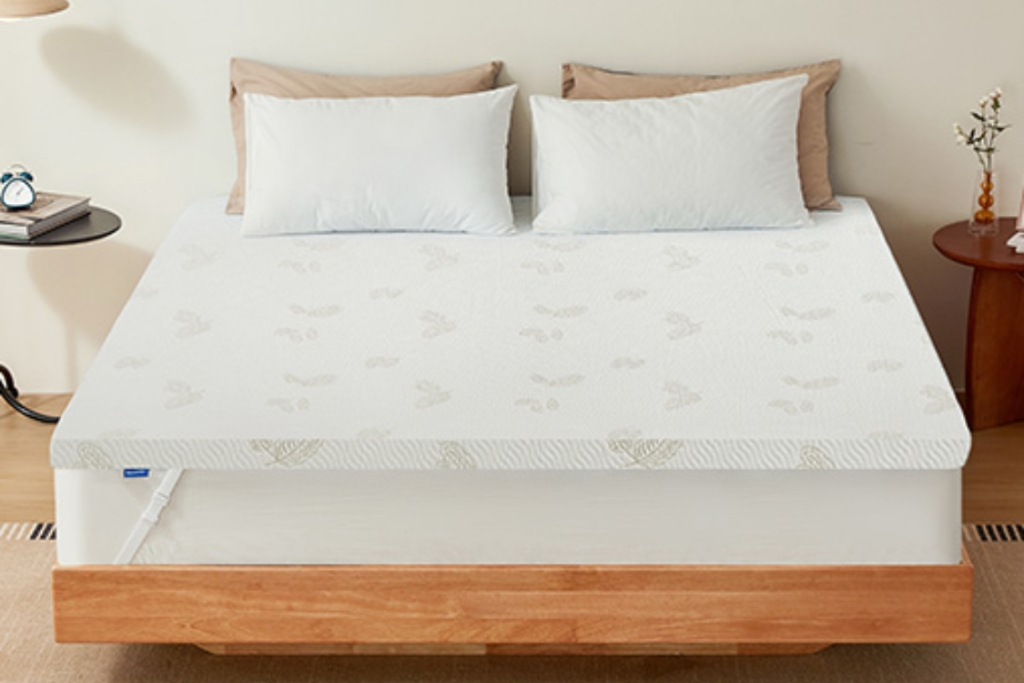
In today’s fast-paced world, sleep is often the first thing we sacrifice. However, science consistently shows that the quality of…