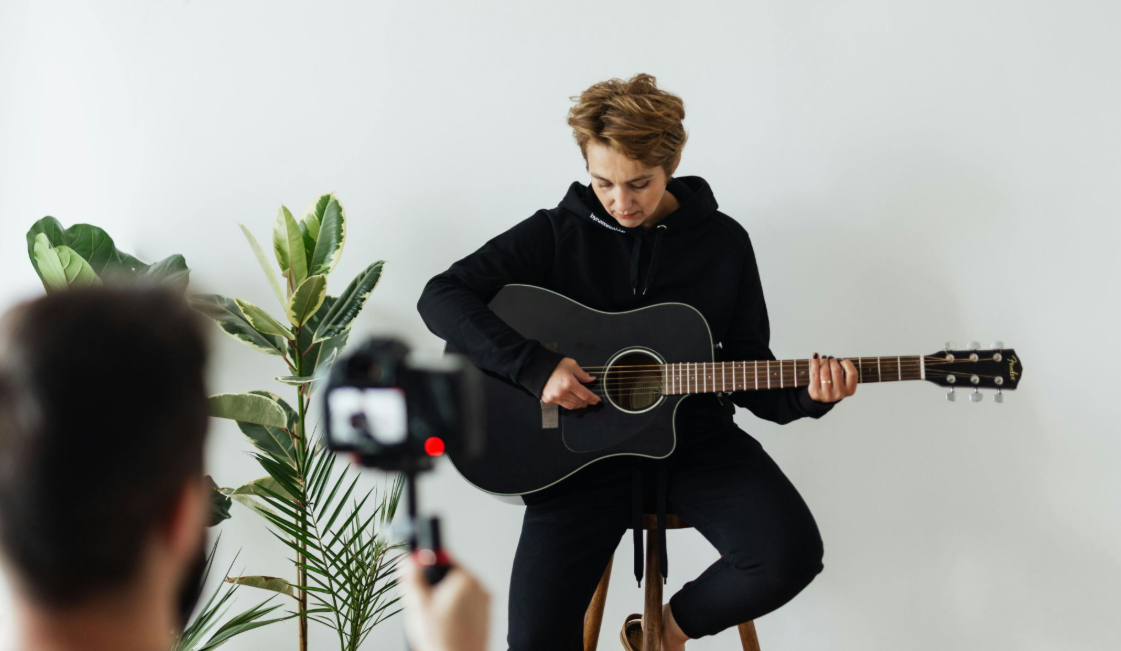
You make music. You build an audience. You pour yourself into your content — and somewhere along the way, you become a target. Cybercriminals love creators. Why? Because influencers hold valuable things: brand deals, payment info, loyal audiences, and social media accounts with real reach. A hacked Instagram or SoundCloud can mean thousands in lost revenue overnight.
According to a 2025 report by Cybersecurity Ventures, cybercrime costs the global economy over $10,5 trillion annually. Creators are not immune to this — in fact, they’re increasingly in the crosshairs.
Most breaches start with a weak or reused password. It sounds boring. It is boring. But it matters more than any other single step you can take.
Use a password manager like Bitwarden or 1Password. Generate unique, complex passwords for every platform — Spotify for Artists, DistroKid, YouTube Studio, all of it. Never use your dog’s name or your birthday.
2FA is your second lock on the door. Even if someone steals your password, they still can’t get in without that second code.
Enable it on every platform that offers it. Use an authenticator app (like Google Authenticator or Authy) rather than SMS when possible — SIM-swapping attacks are real and increasingly common among public figures.
Here’s something many creators overlook: the network you’re on matters. Touring musicians, bedroom producers, and content creators working from cafés or hotel lobbies are especially vulnerable. Public Wi-Fi is a hunting ground for hackers using man-in-the-middle attacks.
A VPN (Virtual Private Network) encrypts your traffic and hides your IP address. If you’re just getting started with online security and don’t want to invest money yet, a free VPN is a reasonable starting point — for example, a no log free VPN like the one at ensures that your browsing activity isn’t stored or sold. This is especially useful when you need free access to foreign web resources — say, checking analytics on a platform that’s geo-restricted in your current location, or accessing a licensing database abroad.
Phishing attacks are now sophisticated. Gone are the days of broken English and Nigerian princes. Today you might receive an email that looks exactly like it’s from Spotify, TuneCore, or a major label — complete with logos and professional formatting.
Never click links in unsolicited emails. Go directly to the website instead. If a “record label” emails you out of nowhere offering a deal and asking for personal info, verify them independently before responding to anything.
Your social accounts are your business. Losing access to a 200K-follower TikTok account is a genuine professional disaster. Creators have reported losing years of work in a single afternoon because of account takeovers.
Use unique emails for each platform where possible. Review connected third-party apps regularly and revoke anything you don’t actively use. Many breaches happen through forgotten OAuth connections.
Oversharing is a cybersecurity risk. Posting your home studio setup might seem innocent — but it reveals your location, your equipment (theft risk), and sometimes even visible sticky notes with passwords or codes.
Think before you post behind-the-scenes content. Blur or crop anything sensitive. Your audience doesn’t need to see your laptop screen or your inbox.
Cybersecurity isn’t a one-time setup—it’s an ongoing habit. The threats are constantly changing. New malware, new phishing tactics, and new platform vulnerabilities appear every week. Creators who stay informed are creators who stay protected.
Follow cybersecurity news relevant to your industry. You’ll quickly notice that hackers most often target people without the necessary security measures and those who don’t update their software. Even having a VPN significantly reduces most cybersecurity risks. Software updates, too, are non-negotiable: outdated apps are open doors.
There’s a particular scam that hits music creators hard: fake copyright strikes and fraudulent licensing claims. You get a message claiming your content violated copyright. Panic sets in. You click a link. You enter credentials. Done — you’re compromised.
Real copyright systems (YouTube’s Content ID, for example) don’t ask for your password. If you receive an urgent copyright notice via email, log into the platform directly and check your notifications there. Never act under pressure from an unsolicited message.
Collaborating remotely is standard now. Producers send stems. Singers share vocal files. Everyone’s on Google Drive or Dropbox. But those shared folders can be a weak link.
Set sharing permissions carefully — don’t give “edit” access when “view” is enough. Use encrypted file-sharing tools like Tresorit for anything sensitive. Contracts, banking details, and personal documents should never float around in a generic shared folder.
Here’s the bottom line. You’ve worked hard to build your brand, your sound, your community. One security failure can unravel a huge portion of that work. The good news? Most attacks succeed because of simple, preventable mistakes.
Strong passwords. 2FA. A VPN on public networks. Skepticism toward unsolicited messages. These are not complicated. They just require consistency. Treat your digital security the same way you treat your instrument — maintain it, update it, and never take it for granted.
The current most read stories on Forte


13 May 2026
The shortest day of the year heralds a tradition of theatre and community as Theatre 3triple2 presents Winter Solstice –…
22 April 2026
Angelsea’s beloved live music champions, The Sound Doctor, are stepping up with their first all ages show, co-presented with Amplify…
9 April 2026
‘Dream Catch Me’ captured a generation of hopefuls back in 2008, leading to the name Newton Faulkner becoming known. Since…
25 March 2026
For three electrifying days this April, the streets of Benalla will pulse with colour, creativity and culture. From 17–19 April…
13 March 2026
For over a decade, Northlane have been synonymous with fearless evolution in Australian heavy music. Three-time ARIA winners and internationally…
6 March 2026
Just when you thought the calendar couldn’t get any more packed, Barwon Club has outdone themselves with the back to…
4 March 2026
M. Ward’s music is a world unto itself — one where haunting vocals, intricate guitar work, and evocative storytelling collide…

7 January 2026
In today’s fast-paced world, sleep is often the first thing we sacrifice. However, science consistently shows that the quality of…