Australia has a particular way of hiding its finest accommodations. The country’s best lodges sit at the end of unpaved roads, on islands accessible only by small aircraft, or within rainforests where phone signals fade to nothing. These properties do not announce themselves with golden lobbies or uniformed valets at every turn. They operate with a quieter kind of service, one that assumes guests arrived to be left alone until they need something.
Luxury Lodges of Australia marks 15 years of operation in 2025. The collection has refined a model where remoteness is the product. Properties limit guest numbers, keep architectural footprints low, and train staff to read preferences without asking. A week at one of these lodges costs what a car might, yet the appeal remains consistent among travelers who want comfort without spectacle.
Berkeley River Lodge in the Kimberley reopens in 2026 with updates to every room and activity program. The property accepts a maximum of 36 guests at any time. This means breakfast is served when you arrive for it, guided walks include your actual interests, and dinner conversations happen with people whose names you can remember.
Pumphouse Point in Tasmania received a $2.25 million upgrade in 2025, adding two new retreats to its existing accommodation on Lake St Clair. The original building was a hydroelectric station. Now it floats on the lake, connected to shore by a long walkway. Guests wake above the water, and the nearest town requires a 30-minute drive.
Silky Oaks Lodge in the Daintree was voted Australia’s best hotel for 2025 in the Condé Nast Traveler Readers’ Choice Awards. The property sits at the edge of the world’s oldest rainforest, where river swimming replaces pool swimming and the sounds at night come from actual wildlife.
Australia’s luxury lodges cater to solo guests as readily as they do couples, and you don’t have to travel with a sugar daddy to afford a week at Silky Oaks or Pumphouse Point. Intimate properties like Berkeley River Lodge cap their numbers at 36 guests, which means staff attention remains high regardless of who books the room.
Baillie Lodges runs five Australian properties, from Kangaroo Island to Lord Howe Island. Each site keeps guest counts low and service standards fixed. A single traveler receives the same access to guided walks, private dining, and spa treatments as anyone else on the register.

Kingsford the Barossa operates as a converted 1850s homestead surrounded by vineyards. A new guest wing and dedicated day spa arrive in 2026. The property sits outside the main tourist route, which means cellar door visits happen with winemakers who have time to talk.
The Louise, also in Barossa Valley and part of the Baillie Lodges portfolio, pairs private suites with a restaurant that sources from farms within a short drive. Meals here follow the growing season rather than a fixed menu. You eat what the region produced that week.
The Ghan and Indian Pacific will introduce new Aurora and Australis suites in April 2026. These carriages feature separate bedrooms and dedicated picture windows, a departure from the combined sleeping and sitting quarters of standard cabins. The routes cover ground that cannot be reached by road without considerable planning. Alice Springs, the Nullarbor Plain, and the remote stretches of the Outback pass by while you sit with a drink.
Train travel in Australia covers long distances slowly. A journey from Adelaide to Darwin takes about 53 hours. The point is not efficiency. The point is watching the country change through glass.

Longitude 131° at Uluru offers views of the rock from private tented pavilions. Access requires a flight to Ayers Rock Airport followed by a lodge transfer. Southern Ocean Lodge on Kangaroo Island was rebuilt after bushfires and maintains its original approach: limited rooms, guided wildlife encounters, and meals that use local produce almost exclusively.
Capella Lodge on Lord Howe Island accepts arrivals only by propeller plane. The island itself restricts visitors to 400 at any time by law. The lodge holds a fraction of that number. Coral reefs sit within swimming distance of the shore, and the surrounding waters contain fish species found nowhere else.
At properties like these, rates often include meals, alcohol, guided activities, and laundry. The pricing model removes the need for constant decisions. You do not sign chits at dinner or calculate tips at checkout.
Staff at these lodges tend to work seasons rather than shifts. The same guide who takes you on a morning walk might pour your wine that evening. Relationships form over days rather than transactions. This continuity costs money to maintain, and the rates account for it.
Many of these properties fill their calendars 6 to 12 months ahead for peak periods. The new suites on The Ghan will likely follow the same pattern once booking opens. Planning a trip for 2026 means acting in 2025.
Off-peak periods offer lower rates and easier availability, though the definition of off-peak varies by location. The Kimberley closes during wet season. Tasmania’s lodges remain open year-round but see fewer bookings in winter months, when temperatures drop and rain arrives regularly.
Australia’s low-key luxury sector operates on the principle that less visibility means better service. The properties work hard to stay quiet. Guests, in return, tend to keep the locations to themselves.
The current most read stories on Forte


29 May 2026
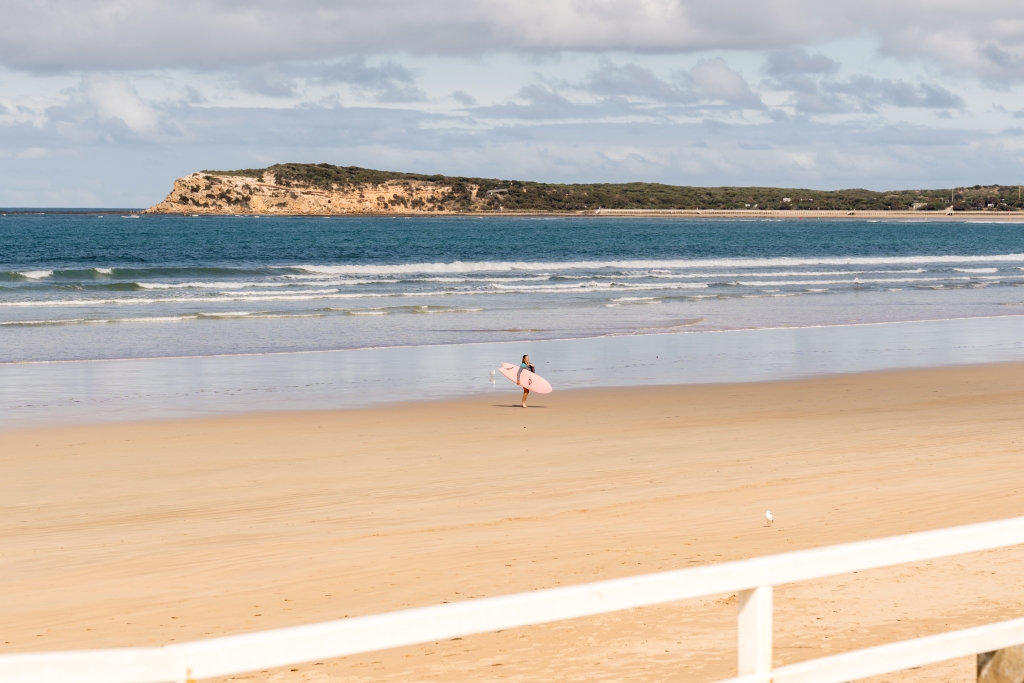
The coast is calling for community support, with Ocean Grove and Portarlington named finalists in the prestigious Victorian Top Tourism…

13 May 2026
The shortest day of the year heralds a tradition of theatre and community as Theatre 3triple2 presents Winter Solstice –…
8 May 2026
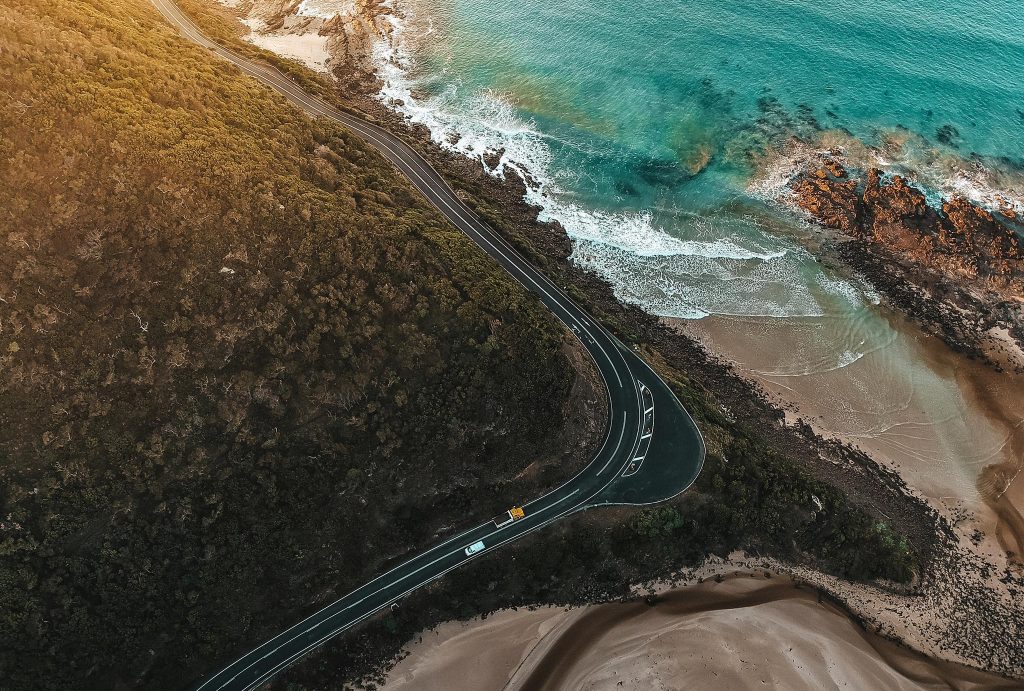
For many Australians, pets aren’t just companions—they’re family. And when it comes to hitting the open road, leaving them behind…
29 April 2026
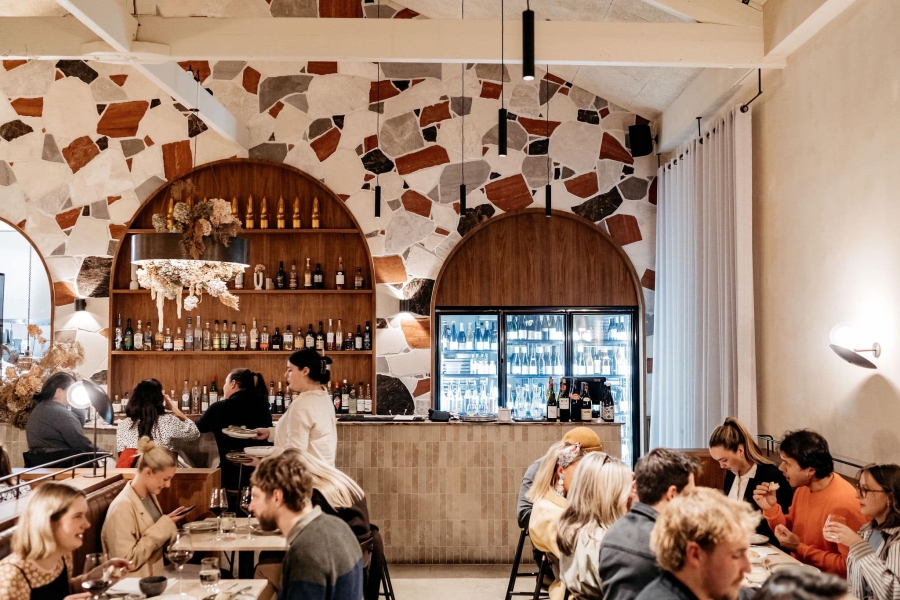
Let’s be honest, we’re constantly spotlighting amazing restaurants, cafes, wineries, bars, and places to eat and drink. In the same…
22 April 2026
Angelsea’s beloved live music champions, The Sound Doctor, are stepping up with their first all ages show, co-presented with Amplify…
9 April 2026
‘Dream Catch Me’ captured a generation of hopefuls back in 2008, leading to the name Newton Faulkner becoming known. Since…
9 April 2026
This is where Macedon Ranges Autumn Festival finds its magic. Macedon Ranges Autumn Festival When: Until 30 April Where: Various…
7 April 2026
As the seasons shift and we look for those final moments of outdoor warmth, Sydneysiders are reconsidering how they spend…